
- 1. The Core Web Vitals Triad (2026 Standards)
- 2. Solving Largest Contentful Paint (LCP < 1.8s)
- Root Causes of Slow LCP:
- The Production Fix: Priority Hero Preloading
- 3. Eliminating Cumulative Layout Shift (CLS < 0.05)
- Prevention Protocol:
- 4. Taming Interaction to Next Paint (INP < 150ms)
- How to Prevent Main-Thread Lockup:
- 5. Automated CI/CD PageSpeed Enforcers
- Need an Enterprise-Grade Custom Web Application?
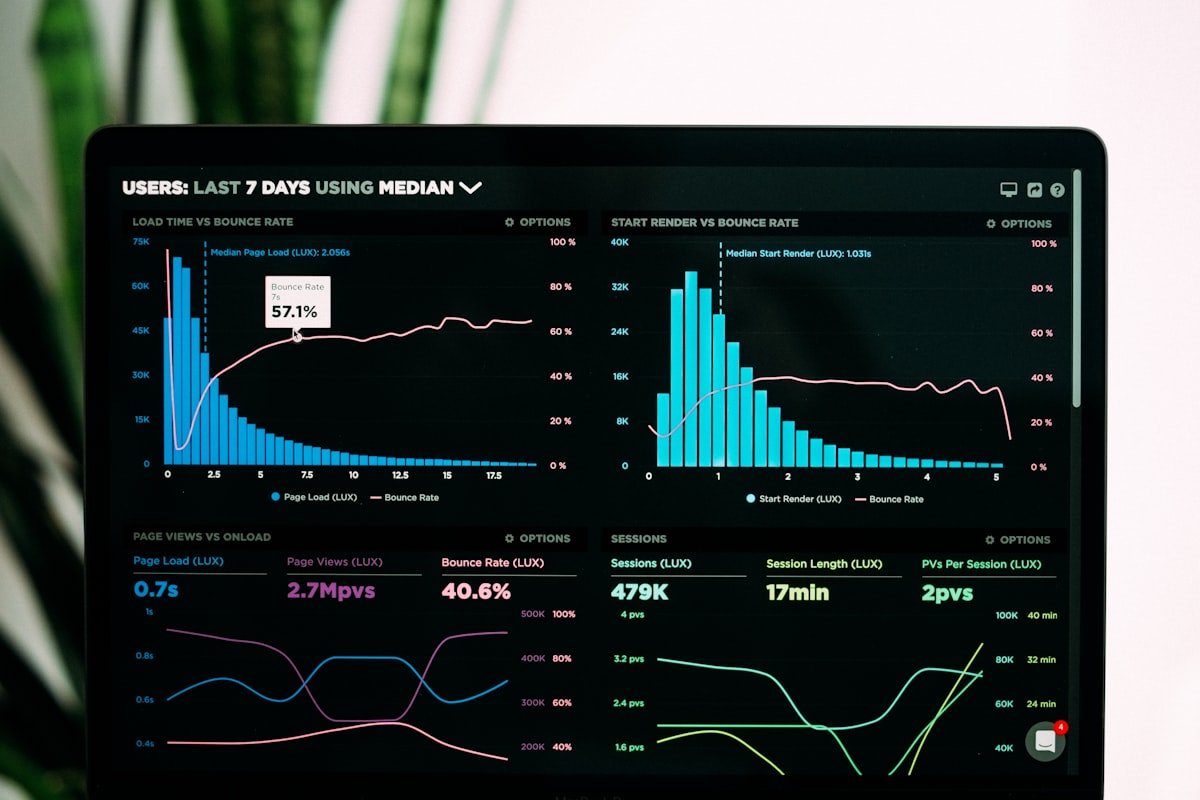
In modern web search algorithms, website speed is no longer just a technical luxury—Google’s Core Web Vitals (CWV) are a direct, algorithmic ranking factor that dictates your organic search placement and customer acquisition cost.
Sites with sub-optimal metrics suffer reduced search visibility, higher Google Ads CPCs, and devastating mobile bounce rates. Conversely, platforms scoring a pristine 100/100 on Google PageSpeed Insights dominate competitive keywords, capture organic search real estate, and convert visitors at twice the industry average.
Yet, achieving a real-world 100/100 score across real mobile field devices requires engineering precision. In this masterclass, Cyberfact Security reveals the exact code optimizations, font rendering protocols, and layout containment strategies required to master LCP, INP, and CLS.
1. The Core Web Vitals Triad (2026 Standards)
Google evaluates real-world user experience across three primary metrics measured over a rolling 28-day Chrome User Experience Report (CrUX) window:
┌──────────────────────────────┬──────────────────┬──────────────────┐
│ Metric                       │ Good (Target)    │ Needs Work / Poor│
├──────────────────────────────┼──────────────────┼──────────────────┤
│ Largest Contentful Paint (LCP)│ < 1.8 seconds    │ > 2.5 seconds    │
│ Interaction to Next Paint (INP)│ < 150 ms         │ > 200 ms         │
│ Cumulative Layout Shift (CLS)│ < 0.05           │ > 0.10           │
└──────────────────────────────┴──────────────────┴──────────────────┘
2. Solving Largest Contentful Paint (LCP < 1.8s)
LCP measures when the largest visual element in the viewport (typically hero heading text or a featured background image) becomes visible to the user.
Root Causes of Slow LCP:
- Slow Server Response Time (TTFB > 600ms)
- Render-Blocking CSS and Third-Party JavaScript
- Late-Discovered Hero Images (hidden inside background CSS or rendered via client-side React hooks)
The Production Fix: Priority Hero Preloading
Ensure hero images are discovered immediately in the initial HTML byte stream with fetchpriority="high":
<!-- Hardened Preload Directive in <head> -->
<link
  rel="preload"
  as="image"
  href="/images/hero-banner.webp"
  type="image/webp"
  fetchpriority="high"
/>

<!-- In-Body Responsive Markup with Dimensions -->
<img
  src="/images/hero-banner.webp"
  alt="Enterprise Architecture"
  width="1200"
  height="630"
  loading="eager"
  decoding="async"
  class="w-full h-auto object-cover"
/>
3. Eliminating Cumulative Layout Shift (CLS < 0.05)
Nothing irritates users more than clicking a button only for an unexpected banner ad, unstyled font, or image to shift the entire page downward by 100 pixels.
Prevention Protocol:
- Explicit Aspect Ratios on Media Elements: Always define explicit
widthandheightattributes or use Tailwind CSSaspect-[16/9]on all wrappers. - Font-Display Optional with Size-Adjust: Prevent layout shifts caused by web font swapping (FOUT) by matching fallback font metrics:
@font-face {
  font-family: 'Inter';
  src: url('/fonts/inter-latin.woff2') format('woff2');
  font-display: swap;
}

/* Match system fallback metrics to prevent layout shifts */
@font-face {
  font-family: 'Inter-Fallback';
  src: local('Arial');
  ascent-override: 90%;
  descent-override: 22%;
  line-gap-override: 0%;
  size-adjust: 107%;
}
4. Taming Interaction to Next Paint (INP < 150ms)
Replacing the legacy First Input Delay (FID), Interaction to Next Paint (INP) tracks every interaction (taps, clicks, key presses) throughout the user session and reports the worst latency.
How to Prevent Main-Thread Lockup:
- Offload Heavy Computation to Web Workers: Parsing large JSON payloads, encryption, and client filtering should never run on the main UI thread.
- Yielding to the Main Thread via
scheduler.yield():
// Breaking long JavaScript execution tasks into micro-chunks
async function processLargeDataset(items: string[]) {
  for (let i = 0; i < items.length; i++) {
    processSingleItem(items[i]);

    // Yield execution every 50 items so the browser can paint input responses
    if (i % 50 === 0 && 'scheduler' in window && 'yield' in (window as any).scheduler) {
      await (window as any).scheduler.yield();
    }
  }
}
5. Automated CI/CD PageSpeed Enforcers
Never allow code regressions to reach production. We configure automated Lighthouse CI assertions in GitHub Actions:
# .github/workflows/lighthouse-budget.yml
name: Lighthouse Performance Budget
on: [pull_request]
jobs:
  audit:
    runs-on: ubuntu-latest
    steps:
      - uses: actions/checkout@v4
      - name: Run Lighthouse CI
        uses: treosh/lighthouse-ci-action@v12
        with:
          urls: 'https://staging.cyberfactsecurity.com/'
          budgetPath: './budget.json'
          uploadArtifacts: true
Need an Enterprise-Grade Custom Web Application?
At Cyberfact Security & Engineering Desk, we architect, build, and harden high-performance web applications, enterprise SaaS platforms, and secure digital portals for startups and global enterprises.
- Zero-Trust Security by Design: Built from Day 1 with penetration testing and security audits included.
- Sub-Second Performance Guarantee: 100/100 Core Web Vitals and lightning-fast edge delivery worldwide.
- Full-Stack Mastery: Astro, Next.js, React, Node.js, Go, Python, and hardened cloud infrastructure.
Discuss your project with our engineering leads:
- Founder Direct WhatsApp Desk: +91 82520 02914
- Direct Email: info@cyberfactsecurity.com
- Interactive Project Scoping: Start Project Scope Wizard
Founder and Lead Security Architect at Cyberfact Security. Specializing in offensive penetration testing (VAPT), distributed cloud architectures, and hardened full-stack engineering for high-growth enterprises.
Initiate a Technical Audit or Custom Engineering Scope
Cyberfact Security delivers certified VAPT audits, source code reviews, and enterprise software engineering for institutions across India. Direct technical engagements with Founder Saket Choudhary.